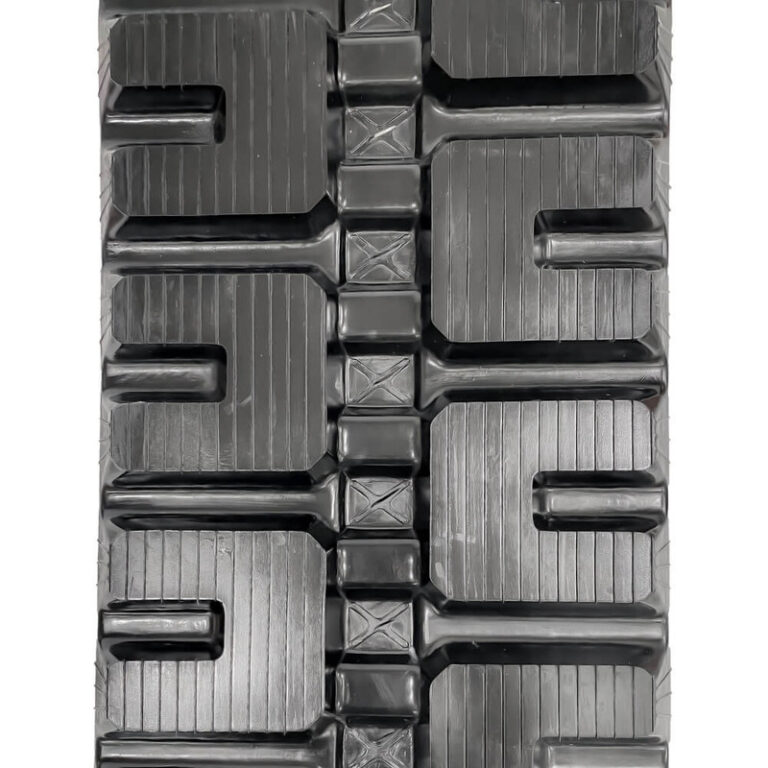
Yes—they absolutely do. The type and condition of your rubber tracks can have a direct impact on fuel consumption, making them a hidden factor in your daily operating costs. Whether you’re running a track loader or mini excavator, choosing the right tracks—and maintaining them properly—can lead to noticeable fuel savings, better performance, and reduced strain on your machine. Here’s how rubber tracks influence fuel efficiency and what you can do to make every gallon count.
 1. Rolling Resistance Plays a Big Role
Rolling resistance refers to the amount of effort your machine needs to move across the ground.
Low-quality or worn-out rubber tracks = higher resistance = more engine effort
Well-maintained, high-performance rubber tracks = lower resistance = smoother operation
Tracks with optimized tread patterns and high-grade rubber compounds reduce drag, helping your machine move more with less effort.
2. Tread Pattern Impacts Traction (and Fuel Use)
Tread pattern matters—not just for terrain, but for fuel. Aggressive, deep-lug tracks on hard surfaces increase friction Smooth or turf-friendly tracks used on rough terrain cause slippage
The right terrain-specific tread improves traction and minimizes wasted movement, allowing your equipment to operate efficiently without burning excess fuel.
3. Proper Track Tension Saves Energy
Too loose? Your machine overworks to stay stable.
Too tight? The drivetrain fights against tension.
Both situations = more fuel burned.
 Maintain track tension according to OEM specs Recheck tension regularly—especially after switching job sites or seasons
Properly tensioned tracks keep your equipment in sync, reducing unnecessary load on the engine.
4. Worn Tracks Waste Fuel
When rubber tracks lose tread depth, they start slipping more often—especially on inclines or wet ground. This forces the machine to work harder to maintain traction.
️ The result? Higher RPMs, increased hydraulic strain, and more frequent refueling.
Replacing worn tracks with new, fuel-efficient models ensures smoother movement and fewer fuel stops.
 5. High-Performance Tracks Reduce Overall Engine Load
Premium rubber tracks, like those offered by Ironhorse, are engineered to: Minimize vibration Improve surface contact Reduce machine bounce
All of which reduces engine stress, lowers fuel usage, and extends the life of your hydraulic components.
Want to Save Fuel? Start with Better Rubber Tracks
Fuel costs are one of the biggest ongoing expenses in heavy equipment operation. By choosing the right rubber tracks, keeping them in good condition, and matching them to your job site, you can significantly improve your fuel economy—without sacrificing performance.
Contact Ironhorse Heavy Equipment Parts today to get rubber tracks that are built for performance, durability, and efficiency. Your machine—and your fuel bill—will thank you.